Turn-up flexibility
Why the grid might pay your home to use more electricity
Sometimes Britain has clean electricity available in the wrong place or at the wrong time. Moving charging, heating or battery use into those periods can help — without wasting energy.
Ofgem has just announced another rise in the energy price cap. At the same time, Britain is expanding a service that can reward homes and businesses for using more electricity during particular periods. Those two facts sound as though they cannot both be true.
They can, because the price of energy over a season and the state of the electricity system at a particular moment are different things. Gas can be expensive on the international market while wind or solar power is abundant in one part of Britain for half an hour. Energy can be costly overall and still be plentiful at the right time and place.
High bills do not mean electricity is scarce every hour
From 1 October, Ofgem's price-cap figure for a typical household on a default gas and electricity tariff will rise by 4%, from £1,663 to £1,723 a year. The figure is not a limit on anyone's total bill: the cap limits unit rates and standing charges, while the amount paid still depends on how much energy a household uses. Ofgem says higher wholesale gas prices are the main reason for the latest increase.
A single-rate tariff hides most of the electricity system's movement behind one unit price. In reality, supply, demand and network capacity keep changing. There can be a tight evening period when extra generation is expensive, followed by hours when wind is strong, demand is low and electricity is easier to supply.
The August solar eclipse illustrated one side of flexibility: moving demand away from a period when generation was falling. Turn-up flexibility is the other side of the same idea.
Location matters too. Plenty of renewable electricity might be available in Scotland while the cables carrying it south are full. The system then has to reduce generation behind that constraint or find useful demand that can move into the affected area and period.
Sometimes the useful response is to turn up
The National Energy System Operator's Demand Flexibility Service first became familiar through events that asked people to reduce electricity use during busy periods. It now works in both directions. Since April 2026, the service has been able to request an increase as well as a reduction in demand.
NESO is now bringing its earlier Local Constraints Market into that service and rolling the approach out nationwide. The earlier market showed that increasing demand when electricity was abundant could reduce network constraints and the cost of paying generators to stop producing.
Between April and July, NESO published 73 flexibility requirements across 68 days. It says those requirements represented a potential flexibility opportunity worth £23.3 million, far more than was actually being contracted. That figure describes the scale of the market opportunity, not a pot of money promised to individual households. The payment available to any participant depends on the event, provider, location and flexibility delivered.
Using more does not mean wasting energy
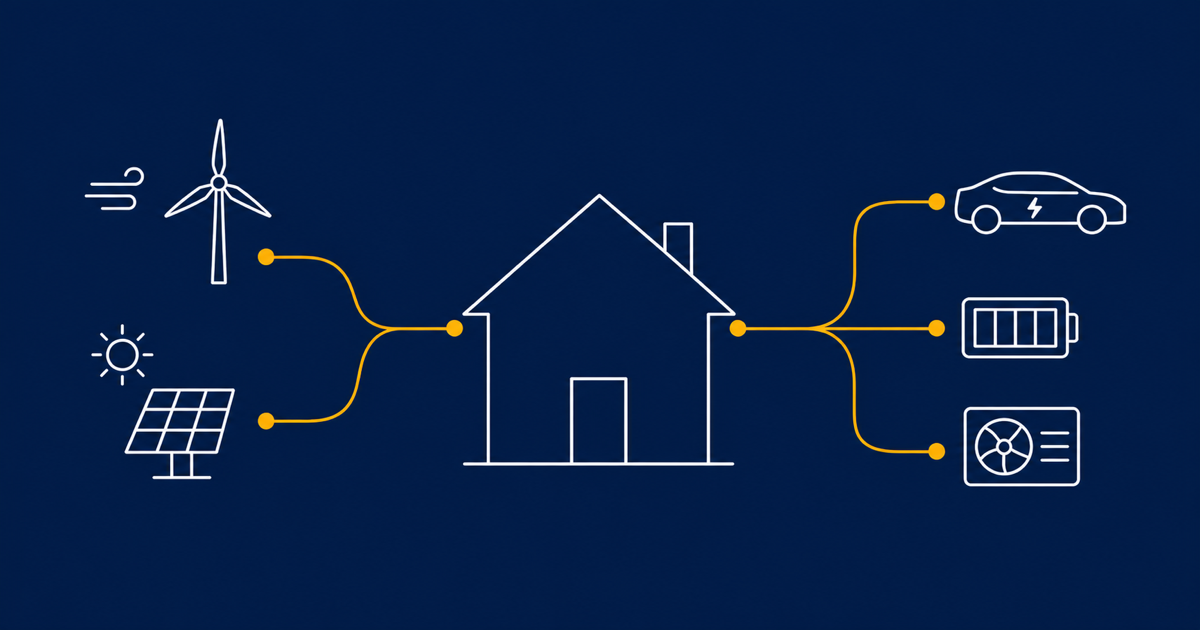
Good turn-up flexibility moves useful work; it does not invent consumption. An electric car that must be ready in the morning needs the same charge whether it starts at 6pm or 2am. A battery can charge during an abundant period and support the home later. A heat pump can warm water or gently pre-heat a suitable home before demand rises, as long as comfort and equipment limits are respected.
The washing still needs washing. The car still needs its required range. The home still needs to be comfortable. Moving that work into a better period can increase demand for half an hour and reduce it later, with the same useful result.
Switching on an unwanted appliance simply to chase a reward is different. It wastes energy, adds wear and may fail the rules of the scheme. The first step is still to avoid unnecessary demand — as we explored in the cheapest energy is the energy your home doesn't need. Flexibility deals with the energy the home genuinely needs after that.
The household should not have to operate the grid
A person should not have to follow network constraints, half-hourly prices and weather forecasts to decide when to heat water. Households participate in the Demand Flexibility Service through an eligible supplier or flexibility provider, which communicates the event and its terms. Participation is optional, and the available schemes and rewards vary.
The harder problem appears when several devices can move at once. Charging the car, battery and hot-water cylinder together may exceed a home's electrical limit. A battery might discharge into a car during a cheap or abundant charging period, using stored energy when the intention was to use electricity available from the grid. Heating can move only as far as the building and the people in it comfortably allow.
Good coordination considers the whole home. It knows the car's ready-by time, the temperature the household has chosen, the battery reserve and which other devices are free to run. It can accept a useful opportunity only when all of those promises still hold. Manual control must always win.
Where Wiggle fits
Wiggle is being built to coordinate flexible devices around real household routines. A grid or tariff signal can become one input alongside prices, forecasts, comfort and readiness — not another alert that someone must interpret.
The aim is not to maximise electricity use, or even to minimise every half hour in isolation. It is to use only the energy the household needs, then move the flexible part to better times. On some days that means turning down. On others it can mean turning up. The useful outcome at home stays the same.