Home energy flexibility
What the solar eclipse tells us about home energy flexibility
Britain’s solar generation will dip on Wednesday evening. The event shows how small changes in when things run at home can add up across the electricity system.
On Wednesday 12 August, the moon will pass across the sun during the early evening. Solar generation will fall quickly, at much the same time that people arrive home, cook dinner and switch on appliances.
The National Energy System Operator has been preparing for this. Its earlier modelling found that the electricity system would be manageable with appropriate planning. This is a planned event, and a useful picture of something the grid deals with every day: supply and demand both move.
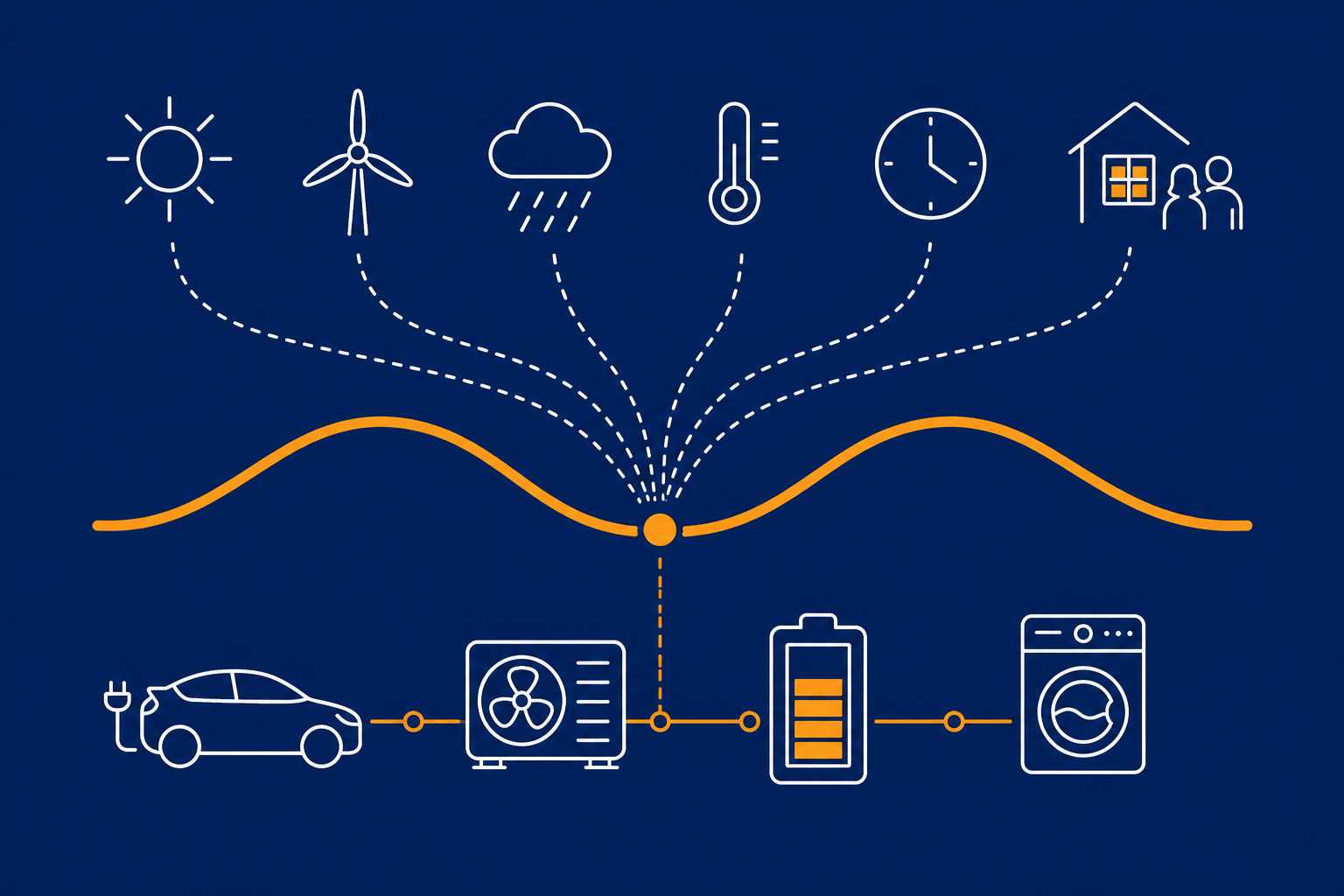
What does home energy flexibility mean?
Flexibility usually means shifting when electricity is used. A dishwasher can start later. An electric car can charge overnight and still be ready in the morning. A battery can hold back some energy for the expensive evening period. A heat pump can warm a home slightly earlier while keeping the temperature comfortable.
The household still gets the same useful result: clean dishes, a charged car and a comfortable home. The timing moves within limits set by the people who live there.
“Household flexibility is one of Britain’s biggest untapped energy resources.”
Octopus Energy, quoted by The Guardian
Octopus estimates that homes could provide up to 13 gigawatts of flexible capacity through appliances, electric vehicles and batteries. That is an Octopus estimate, but the scale of the idea is clear. One washing machine waiting for an hour makes almost no difference. Millions of small shifts can become a useful resource for the wider electricity system.
Why the eclipse matters
The eclipse makes an otherwise invisible problem easy to see. As the sun disappears, some solar generation disappears with it. Other sources of electricity must fill the gap, or demand must move. If enough flexible use moves away from a tight period, the system may need less additional gas-fired generation.
The same pattern happens less dramatically throughout the year. Clouds change solar output. Wind rises and falls. Demand climbs during the evening peak. At other times, Britain has more renewable electricity than it can use in the right place.
A flexible home can make better use of those changing conditions. The hard part is coordinating tariffs, forecasts and several devices without turning energy into a daily chore.
Where Wiggle fits
Wiggle is being built to coordinate the whole home around real routines. You set when the car must be ready, how warm the house should stay and when appliances are free to run. Wiggle can then read changing prices and energy conditions and work out the timing.
Comfort and readiness stay as firm limits. Manual control always wins. The aim is for bills and carbon to fall while life at home carries on normally.
What can households do on Wednesday?
If your energy supplier invites you to take part, follow the details of its scheme. Where it is practical, delaying a dishwasher, washing machine or electric-car charge until after the requested period can help. Essential electricity use, medical needs, comfort and safety come first.
The eclipse will last a short time. The lesson will remain: household flexibility can support a cleaner electricity system, and it should be simple enough to fit around ordinary life.